How Window Tint Works with Modern Car Sensors and Technology
Modern vehicles are no longer just mechanical systems—they are equipped with advanced sensors, communication tools, and driver-assist technologies. From GPS navigation to lane-keeping systems and mobile connectivity, today’s cars rely heavily on uninterrupted signals. Window tinting, when chosen correctly, can complement these technologies while improving comfort and protection in harsh climates like Phoenix.
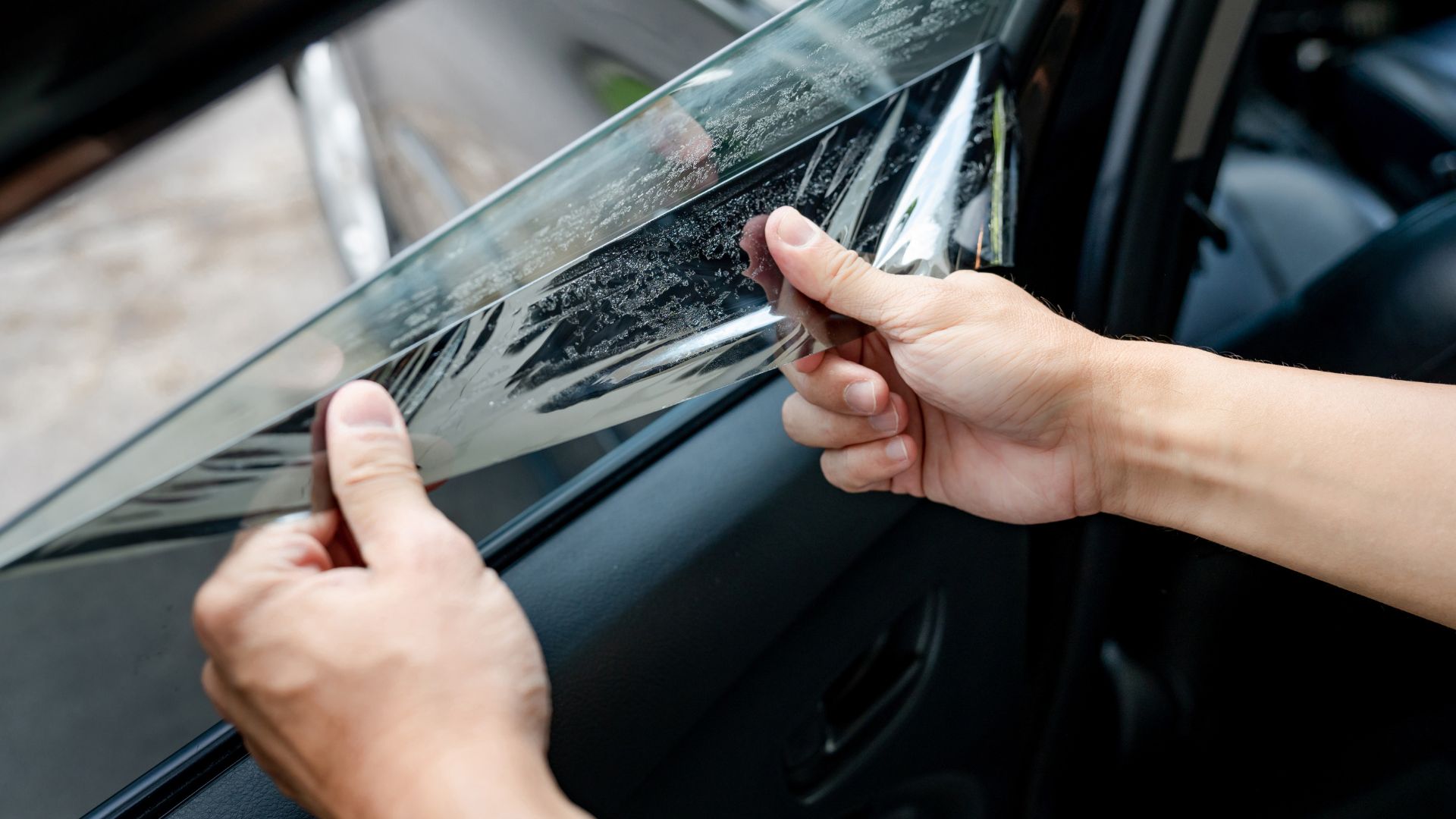
Understanding Signal Interaction in Window Films
Not all window films behave the same way around electronics. Older or metalized tints can sometimes interfere with radio, GPS, or cellular signals because of their reflective metallic layers. This can lead to reduced signal strength or inconsistent connectivity inside the vehicle. In contrast, modern non-metallic films such as carbon and ceramic are designed to avoid signal disruption while still delivering heat and glare reduction.
Ceramic Films and Technology Compatibility
Ceramic window films have become especially popular because they use nano-ceramic particles instead of metals. These particles do not block or reflect electronic signals, which means navigation systems, Bluetooth connections, and mobile data remain stable. For drivers who rely on smartphone integration or in-car Wi-Fi, this compatibility is a major advantage.
Impact on Safety and Driver Assistance Systems
Many modern vehicles include sensors for lane departure warnings, adaptive cruise control, and collision detection. These systems rely on cameras and radar rather than glass penetration, but maintaining clear visibility is still essential for their effectiveness. Properly installed tint improves driver focus by reducing glare, which indirectly supports safer use of these technologies.
Windshield Considerations for Sensor Accuracy
Some vehicles use windshield-mounted sensors or cameras for advanced driver-assist features. Excessively dark or improperly installed tint on the windshield can interfere with visibility required for these systems. That is why legal compliance and proper placement of film are critical when tinting vehicles with advanced technology packages.
Balancing Comfort and Connectivity
Drivers in Phoenix often prioritize heat reduction due to extreme temperatures, but it is important that comfort upgrades do not interfere with vehicle functionality. Choosing high-quality films ensures that drivers can enjoy cooler interiors without sacrificing connectivity or system performance.
Future-Ready Tint Solutions
As vehicles become more connected and technology-driven, tint films are evolving to match these demands. The focus has shifted toward materials that offer thermal protection while remaining completely neutral to electronic systems. This makes modern tinting a seamless upgrade that supports both comfort and digital functionality.
